Picture this: it's 9 p.m. on a Tuesday, and I'm standing in a laundromat that smells like lavender detergent and old arcade carpet, watching a twenty-three-year-old named Priya absolutely destroy three strangers at Mario Kart. There's a folding table with homemade tamales. Someone's dog is asleep under a dryer. Nobody's on their phone. This is what a third place looks like in 2025—and it's not a coffee shop with $7 oat milk lattes. It's a laundromat that decided to become a living room.
I've been thinking about this a lot lately, because the classic third places—the diners, the bowling alleys, the church basements, the dive bars where everybody knew your name—have been quietly dying for decades. And I don't mean that metaphorically. Sociologists have been sounding this alarm since Ray Oldenburg coined the term in the late '80s, but the last five years turned a slow bleed into a hemorrhage. So here's the question that keeps me up at night: if the places where community happens are vanishing, who's building new ones?
The answer, unexpectedly, is Gen Z. And they're doing it on their own terms.

The Loneliness Economy Is Real—and Gen Z Felt It First
Let's be honest: the numbers are bleak. Roughly a third of Gen Z adults report feeling lonely "often" or "always." They grew up with the internet in their pockets and watched their public spaces get monetized, securitized, or priced out of existence. The mall where their parents loitered? Demolished or turned into luxury condos. The park? Now requires a reservation.
Here's what most people miss: Gen Z isn't rejecting physical community—they're rejecting the way it was sold to them. Boomers had Elks lodges and bowling leagues, sure, but those spaces were often exclusionary, expensive, or tied to institutions young people don't trust. So instead of mourning the death of the third place, Gen Z is essentially crowdsourcing a new one—lower stakes, more inclusive, and weirdly specific to their interests.
I've found that the through-line is low-cost, high-frequency, and no membership required. You don't need to be a "member" of a run club that meets at 6 a.m. on Saturdays. You just show up.
Run Clubs, Book Clubs, and the Return of the Weird Hobby
If you've been anywhere near a city park on a weekend morning, you've seen them: packs of twenty-somethings in matching neon, jogging in loose formation, then standing around afterward for forty-five minutes just... talking. Run clubs have become Gen Z's answer to the bar scene, minus the hangover and the $18 cocktails. There are run clubs for slow runners, for walkers, for people who mostly just want the post-run coffee. The running is almost incidental.
Same energy with book clubs that aren't really about the books, board game cafés where the cover charge is the whole point, and craft nights at libraries that have pivoted from dusty silence to hot glue gun chaos. These are third places built around doing, not buying. You don't have to consume anything to belong. That's the secret sauce.

The Third Place Is a Parking Lot Now (And That's Fine)
Here's the part that makes urban planners twitch: some of the most vibrant Gen Z community spaces are not designed spaces at all. They're parking lots, laundromats, empty storefronts, and the weird gravel patch behind the grocery store.
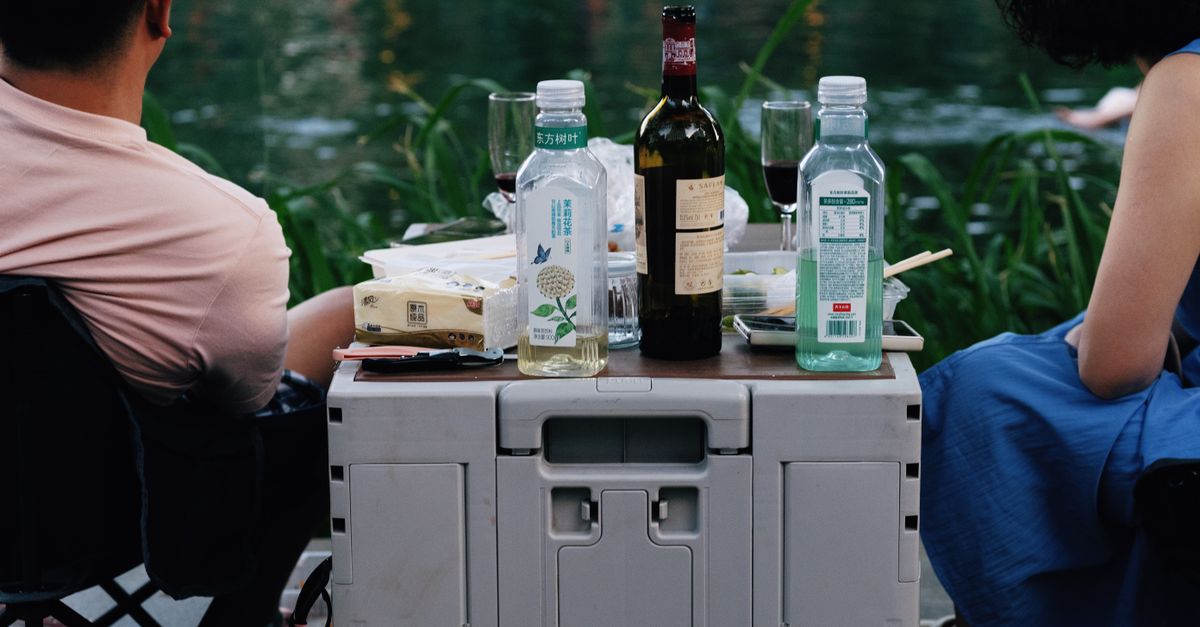
I talked to a guy in Austin who started a weekly "lot hang" in a dead mall parking lot—folding chairs, a Bluetooth speaker, whoever shows up. It's grown to sixty people. No permits, no branding, no Instagram account. Just a spot. The lesson? Community doesn't need architecture. It needs consistency and a little bit of nerve.
This is the part where I'll admit my bias: I think this is genuinely thrilling. It's scrappy and unglamorous and it flies in the face of everything we've been told about how young people supposedly only want digital connection. But the pattern is clear—when institutions fail to provide third places, people build them out of whatever's lying around.
- Consistency beats coolness. A mediocre space that shows up every week beats a gorgeous one that happens once.
- Lower the barrier to entry. Free or nearly free, no RSVP, no dress code.
- Let it be a little boring. The magic happens in the unstructured time, not the activity itself.
Why This Matters Beyond the Vibes
Let's zoom out for a second. The disappearance of third places isn't just a social inconvenience—it's a public health issue. Loneliness is linked to heart disease, depression, and cognitive decline. Third places are infrastructure for human connection, and we've been letting that infrastructure crumble while arguing about parking minimums.
Gen Z's rebuilding efforts aren't a cure-all. They're fragile, they burn out, they depend on a few extroverts doing unpaid labor. But they're proof of concept. They show that the demand for community never went away—it just got priced out and designed out of our cities.
The Invitation You Didn't Know You Were Waiting For
So here's my challenge to you, whoever you are, wherever you are: find your third place or build one. It doesn't have to be cool. It can be a Tuesday night at the laundromat. It can be a folding chair in a parking lot. It can be you, three strangers, and a used copy of Mario Kart.
The old places are gone, mostly. But the need didn't disappear with them—and neither did the impulse to gather. Gen Z figured that out before the rest of us, and honestly? We should be taking notes.
Show up somewhere this week. Bring snacks. See what happens.